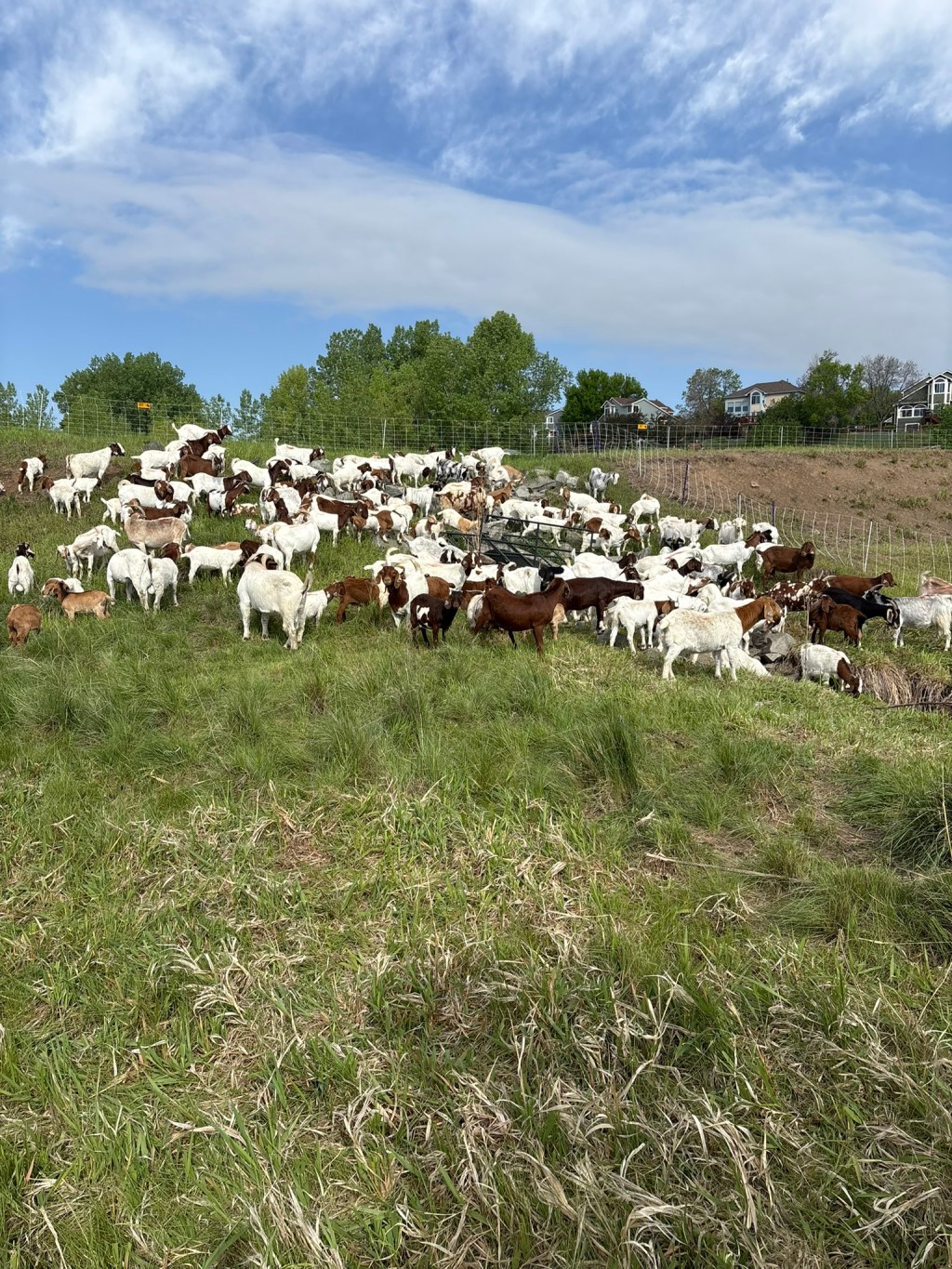
The ecological integrity of rangelands across the American West faces a persistent and escalating threat from a plant that epitomizes the concept of a noxious weed: Bromus tectorum, commonly known as cheatgrass. This annual winter grass, native to Eurasia, has profoundly altered ecosystem function, earning its status through profound negative impacts on agriculture, wildlife, and fire regimes. While traditional management strategies like herbicide application and mechanical removal have their place, they are often cost-prohibitive, logistically challenging, and can carry unintended ecological consequences. In response, a potent, albeit unlikely, ally has emerged from the annals of agricultural history: the goat.

The application of targeted goat grazing represents a form of prescribed biological disturbance that is gaining empirical support as a critical tool in integrated rangeland management. This post will elucidate the mechanisms by which goats can effectively graze cheatgrass, addressing both its role as a noxious weed and a voracious wildfire fuel.
The Cheatgrass Conundrum: Anatomy of a Noxious Weed
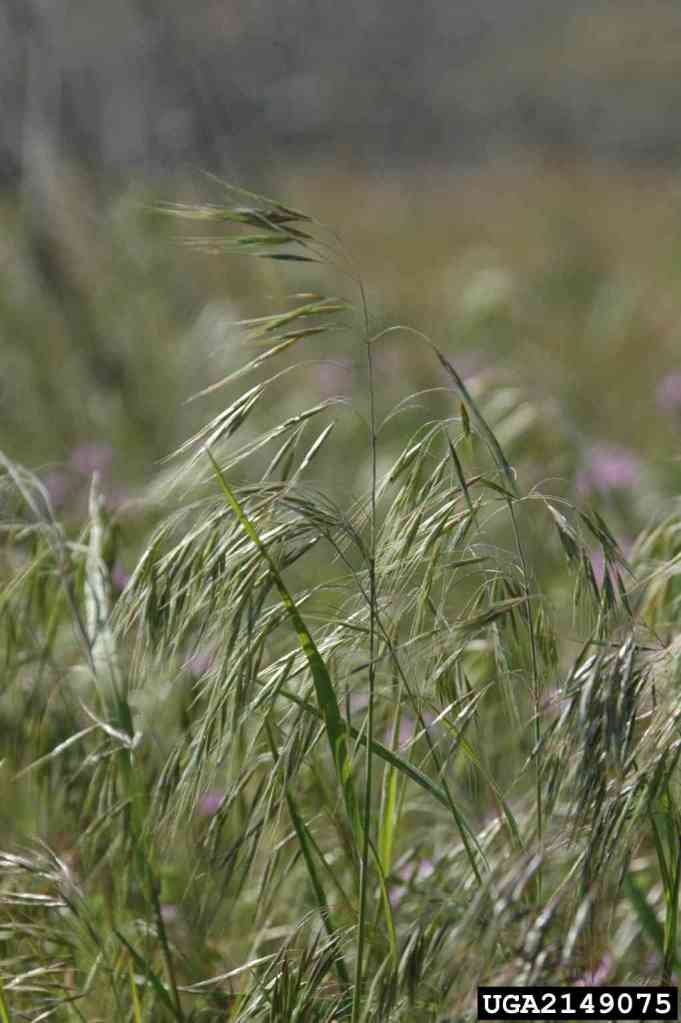
To appreciate the goat’s role, one must first understand the multifaceted nature of the cheatgrass problem. The term “noxious weed” is a legal and ecological classification for non-native plants that cause demonstrable harm. Bromus tectorum fits this definition perfectly due to a suite of adaptive traits that facilitate its dominance over native vegetation. First, there is the phenological advantages. Cheatgrass germinates in the fall and early winter, establishing quickly and monopolizing soil moisture and nutrients before most native perennial grasses break dormancy in the spring. It completes its life cycle by early summer, at which point it senesces into a continuous layer of highly flammable fine fuel. This altered fuel load is the plant’s most notorious impact. It dramatically increases the frequency and return interval of wildfires. These fires then eliminate fire-intolerant native perennials, while cheatgrass, an annual, rapidly recolonizes the burned ground, often in greater densities. This creates a self-reinforcing cycle: more cheatgrass leads to more fire, which leads to more cheatgrass. Furthermore, land clearing, levelling, and ditch cleaning events provide an ideal germination environment for cheatgrass. Beyond fire, cheatgrass degrades rangeland quality. Its nutritional value for wildlife and livestock is brief, limited to a short green period in spring. Once it sets its characteristic bristled seeds (the “cheat” in its name, which contaminates wool and can injure the mouths and eyes of animals), it becomes unpalatable and harmful. The dense mat of its roots and thatch inhibits the establishment of native perennial bunchgrasses and forbs, leading to a catastrophic loss of biodiversity and habitat. From an economic perspective, it reduces forage availability, increases management costs, and diminishes land value.
Goat Grazing: Wildfire Fuel Load Reduction
While cattle and sheep are traditional grazers, goats are natural browsers with unique physiological and behavioral traits that make them exceptionally suited for combating this noxious weed, as they are renowned for their dietary plasticity. Unlike cattle, which are primarily grazers of grasses, goats are opportunistic mixed-feeders (intermediate browsers). They will readily consume a wide variety of vegetation, including woody shrubs, forbs, and—importantly—annual grasses like cheatgrass.
Goats are also highly efficient at digesting fibrous and low-quality forage. Their digestive system allows them to extract nutrients from plants that other livestock would avoid or process poorly. Furthermore, they are less susceptible to the physical irritations caused by the avns (bristles) of mature cheatgrass, making them willing to graze the plant even after it has cured. The immediate benefit of goat grazing on cheatgrass is fuel load reduction. A well-timed grazing prescription, deployed in the early to mid spring as cheatgrass is maturing but before it cures, can remove upwards of 90% of the standing biomass. This breaks up the continuity of the fuel ladder, effectively creating firebreaks and reducing the risk of catastrophic wildfire ignition and spread. This application is increasingly being adopted by municipalities and land management agencies as a form of biological fire suppression.
Long-Term Ecological Benefits for Weed Management
The value of goat grazing extends far beyond mere fuel modification. Their activity induces several secondary ecological effects that directly counter the strategies of this noxious weed and aid in long-term restoration. As goats graze, they return nutrients to the soil in a readily available form through their urine and dung. This can enhance soil fertility and microbial activity, potentially creating more favorable conditions for the establishment of desired perennial plants, which are key to outcompeting cheatgrass. The physical action of trampling can break up the litter layer of thatch, creating microsites for seed-to-soil contact. This is a critical step for the successful seeding of native species, which often fail in thick cheatgrass litter. Furthermore, by consuming the standing crop, goats reduce the competition for light, water, and nutrients, giving seeded natives a fighting chance.
This is a critical front in the war against any noxious weed. If goats are introduced at the stage when cheatgrass has produced seed heads (the “cheat”), they will consume and digest a significant portion of the seeds, many of which can remain viable in the soil for up to 3-5 years. Ruminant digestion is highly effective at destroying seed viability, directly reducing the soil seed bank and limiting the potential for the next generation of infestation. The effectiveness of goat grazing is not a matter of simply releasing herds onto the landscape. It requires a carefully designed and managed prescription, akin to the precise application of a herbicide. Key considerations include:
Timing: Grazing must be timed to target cheatgrass at its most vulnerable stages—during its green, vegetative growth for maximum consumption and nutrient denial, or at the seed-set stage to deplete the seed bank.
Stocking Density and Duration: High-intensity, short-duration grazing is often most effective. This involves concentrating a large number of animals in a small area for a brief period to ensure thorough utilization of the target species before being rotated to a new paddock. This mimics the historical grazing patterns of large herbivore herds and can be more effective than continuous, low-intensity grazing.
Conclusion
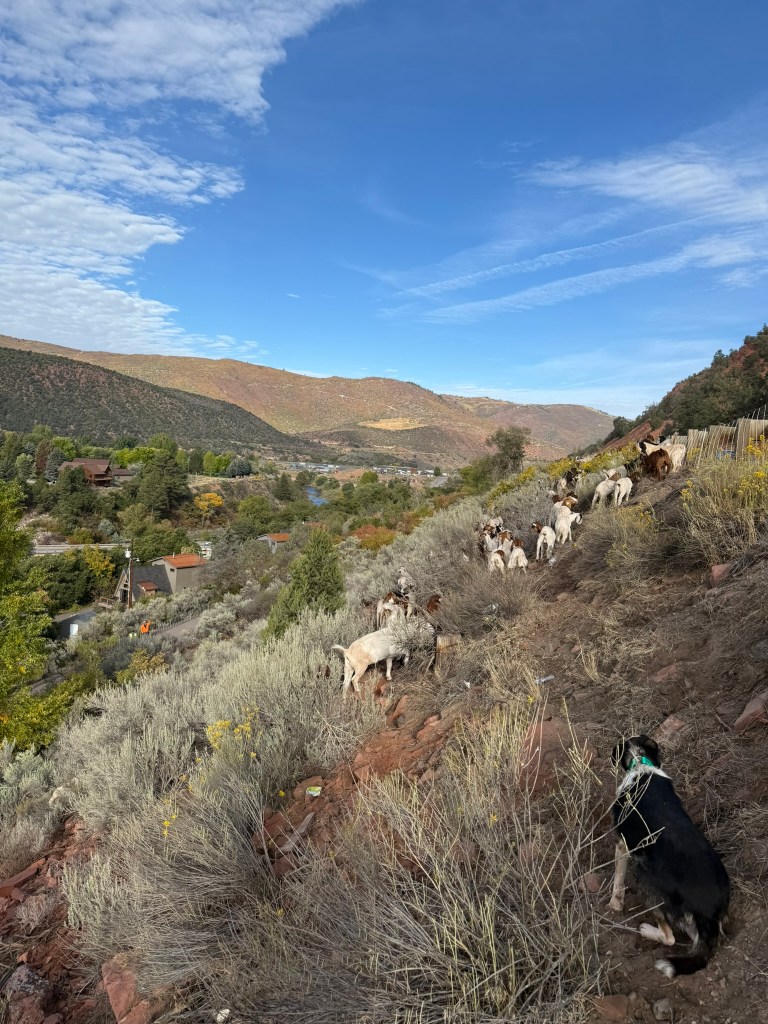
The invasion of cheatgrass is a classic case of a noxious weed altering fundamental ecosystem processes. Its designation is well-earned through its impacts on fire ecology, biodiversity, and agricultural economics. Goats, with their unique foraging behavior and digestive efficiency, offer a powerful, ecologically sound tool for land managers. By functioning as agents of prescribed disturbance, they directly address the dual threat of increased fire hazard and ecological degradation posed by cheatgrass, while simultaneously creating conditions conducive to recovery. As research continues to refine grazing protocols, the strategic deployment of caprine crews stands as a promising testament to the role of applied agroecology in the integrated management of noxious weeds and the restoration of health and resilience to our western rangelands.
 Goats On The Go Boulder
Leave a comment