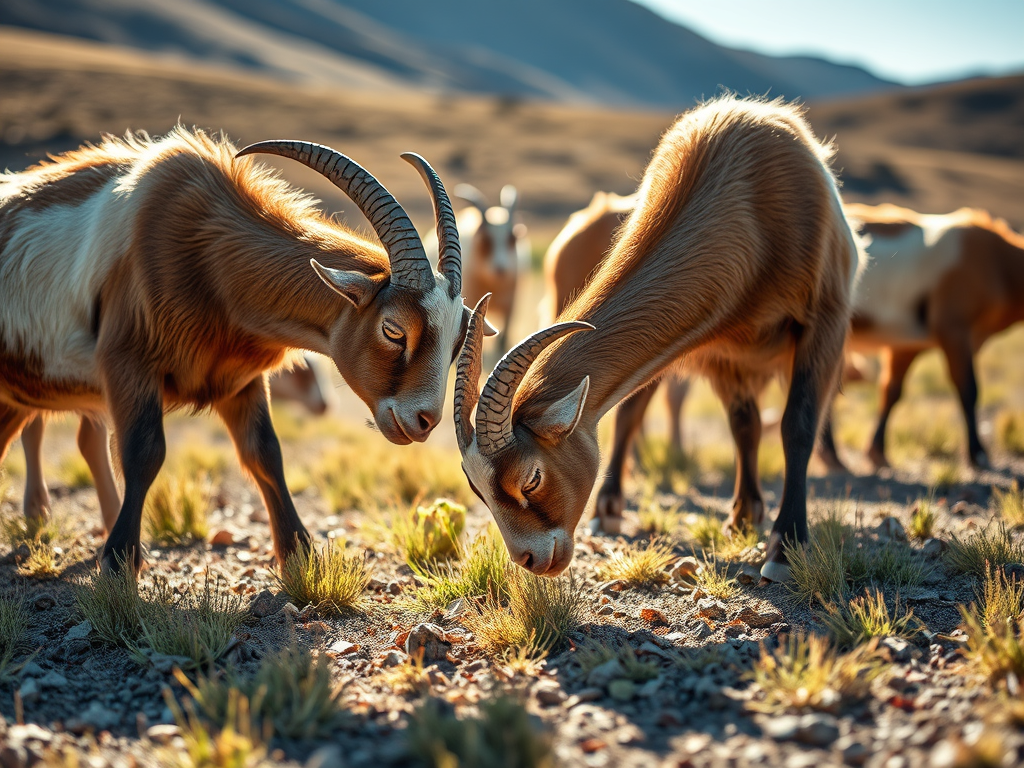
The image is powerful: a herd of goats, diligently working their way through a thicket of invasive weeds. Targeted grazing is a celebrated, eco-friendly solution for land management, praised for reducing chemical use and revitalizing ecosystems. But what happens after the goats are loaded up and moved to their next assignment?
The work is not over and in fact it is a continuous cycle of goat grazing and aftercare. The most critical phase for ensuring long-term ecological success is just beginning. Goat grazing is a powerful treatment, not a cure-all. Effective aftercare is what transforms a grazed plot into a resilient, thriving landscape.
Below is a list of activities and considerations RFTA takes on in order to maximize ecological restoration and noxious weed control along the Rio Grande Trail.
The Immediate Aftermath: Assessment and Monitoring
The first step is a thorough site assessment. RFTA does not just admire the grazed land, they get into the details.
- Evaluate Grazing Intensity: Did the goats achieve the desired level of vegetation removal? Was it over-grazed or under-grazed? This assessment will inform the timing and need for future grazing cycles.
- Check Soil Structure: Goat hooves can aerate soil, but in sensitive areas or wet conditions, they can also cause compaction. Look for signs of erosion or trampling, especially near water sources or on slopes.
- Identify Residual Plants: Some resilient invasive species may have been nibbled but not fully eradicated. Others might have been avoided altogether. Identify these “leftovers” as they are the primary target for the next phase.
The Next Critical Step: Revegetation and Seeding
Goats On The Go strives for a grazing strategy that meets RFTA’s overarching goals…noxious weed control and soil regeneration. Therefore, the final grazing product is not one that presents a clear dirt canvas. Native grasses, sage, rabbit brush, and milk weed are only lightly grazed, while heavily sloped areas are often skipped all together as the grazing benefit could come at a cost of soil erosion and possible desiccation. The aftercare goals include encouraging the propagation of desired native species and soil development.
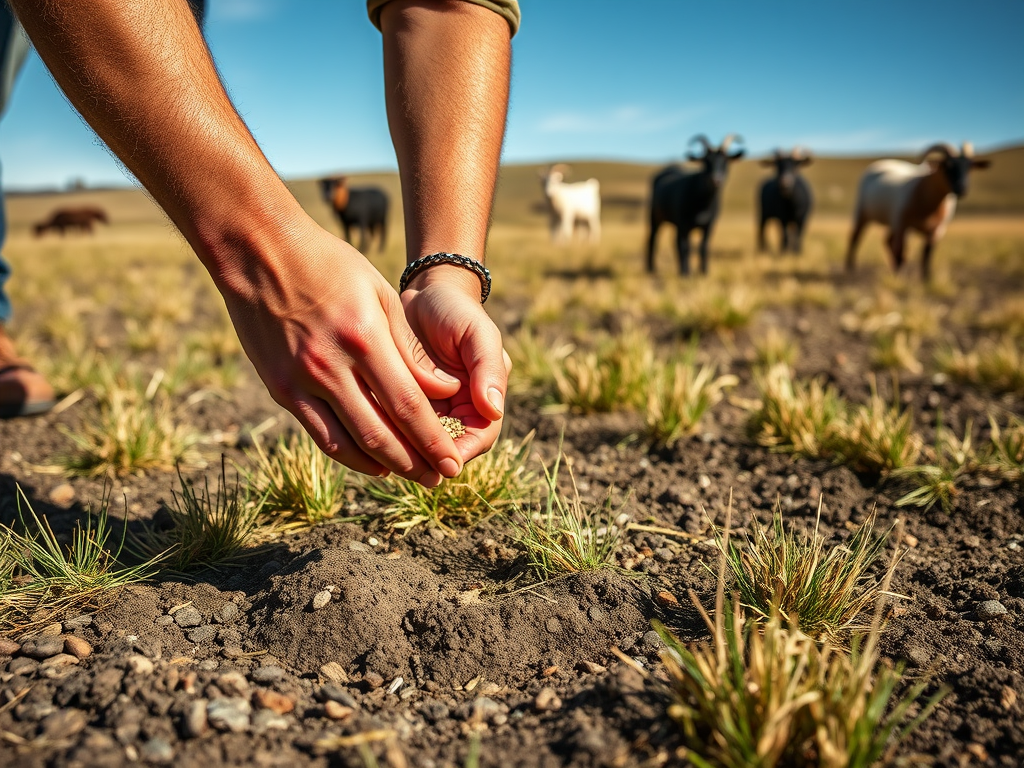
- Native Seed Application: Shortly after grazing, often in the following fall or spring, it is ideal to sow native grass and forb seeds. The disturbed soil and lack of competition from tall weeds create perfect germination conditions.
- Planting Plugs or Seedlings: For key native shrubs or forbs that do not establish easily from seed, consider planting plugs. This is especially important for restoring specific habitat functions.
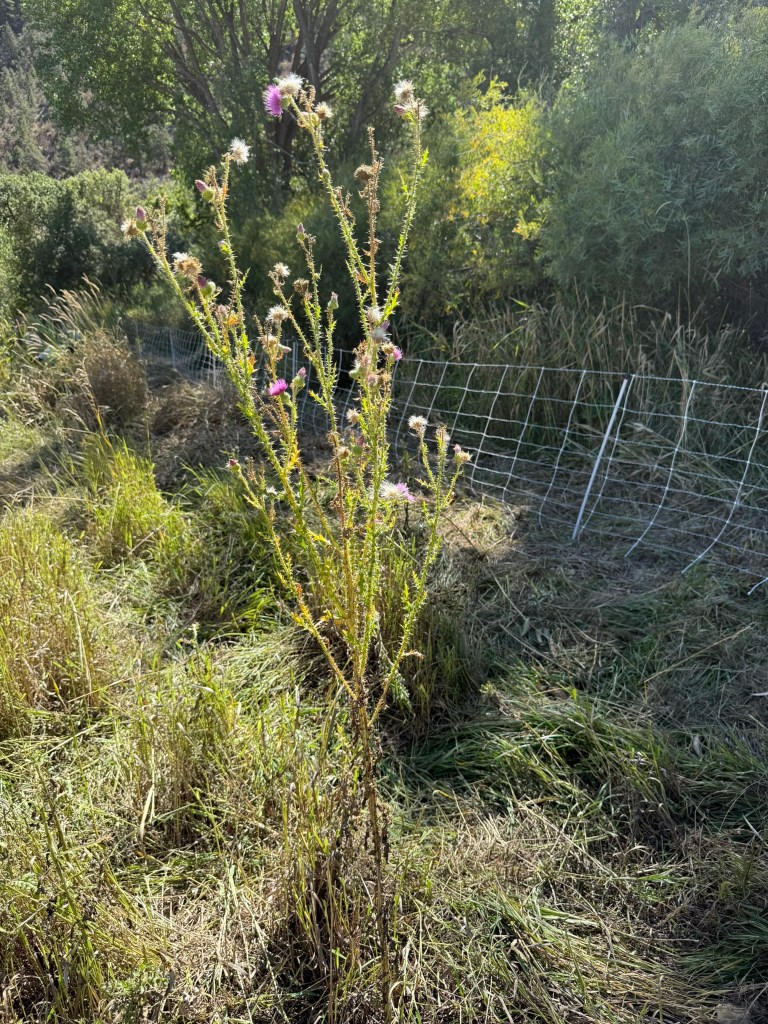
- Selective Manual or Spot Treatment: For those residual invasive plants identified in the assessment (i.e. tansy, Canadian thistle, Mullen), targeted manual removal or careful spot-treatment with eco-friendly herbicides will be necessary to prevent re-sprouting.
Long-Term Management: The Cycle of Stewardship
Ecological restoration is a marathon, not a sprint. Goat grazing is often a single lap in that race.
- Develop a Management Calendar: Create a schedule for monitoring weed resurgence, native plant success, and soil health. Regular follow-up is non-negotiable.
- Plan for Repeat Grazing: For most invasive species, a single grazing event will weaken them but not eliminate them. Budgeting for follow-up grazing visits in subsequent years is essential for complete control.
- Adaptive Management: Use monitoring data to adapt the overall plan. Did one native species thrive while another failed? Adjust your seed mix accordingly. Are certain weeds persisting? Note the timing and plan a specific intervention for next season.
Community Engagement: Sustaining the Momentum
For public lands, like the Rio Grande Trail corridor, aftercare includes community involvement.
- Volunteer Weed Pulls: Organize community events to tackle residual weeds. This builds stewardship and reduces labor costs.
- Educational Signage: Install signs that explain the process: “Goats Grazed Here! Now we are planting native seeds to restore habitat.” This manages expectations and educates the public on the full restoration cycle.
- Citizen Science Monitoring: Engage local volunteers to help monitor plant regrowth and wildlife return, turning aftercare into a community science project.
Conclusion: Grazing is a Treatment, Aftercare is the Cure
Goats are a fantastic tool for initial ecological intervention. They reduce fuel loads, manage weeds without chemicals, and engage the community. However, their work is just the first, dramatic step in a longer journey.
The true measure of a successful targeted grazing program is not the day the land is grazed—it is the day, years later, when a diverse, native, and self-sustaining ecosystem is thriving in its place. That victory is won not by the goats alone, but by the diligent, thoughtful, and sustained aftercare that follows them.
 Goats On The Go Boulder
Leave a comment