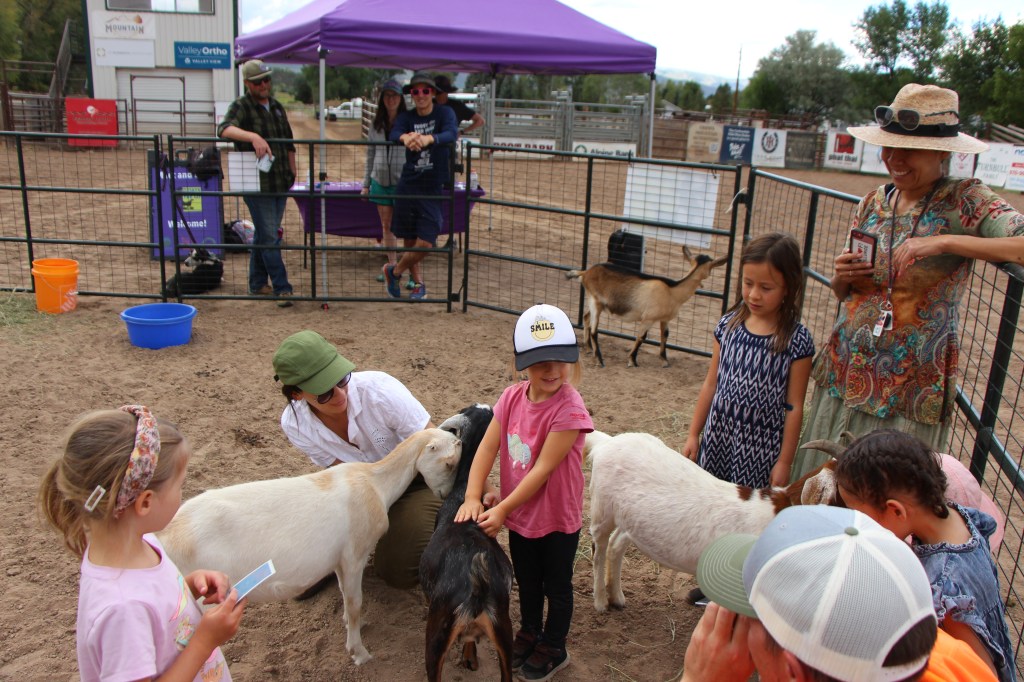
When one talks about the success of an ecological restoration project, our minds often jump to quantitative data: native plant survival rates, water quality metrics, recurrence of noxious weeds, or the return of specific bird species. These are vital indicators, but they tell only half the story. The ongoing goat grazing initiative along the Rio Grande Trail near Carbondale, CO presents a compelling case study for a more holistic measure of success—one rooted in the dynamic interplay of social and ecological systems, known as socio-ecological systems (SES) (Wei, Wu, and Tesemma 2018).
For social scientists, environmental policymakers, and community planners, this project underscores a critical truth: long-term ecological resilience is inextricably linked to deep, sustained community engagement. Therefore, the true metric of the success of RFTA’s goat grazing initiative should not be ecological data alone, but also the strength of the community connection it fosters.
The Goats as Catalysts for Connection
Targeted goat grazing is, on its surface, a brilliant ecological tool for managing invasive vegetation without herbicides. But look closer, and you see their true magic: they are fuzzy, four-legged catalysts for community connection. They stop trail users in their tracks, spark conversation, and create a living, breathing classroom along a highly trafficked corridor. This transforms a technical land management practice into a relatable and engaging public spectacle.
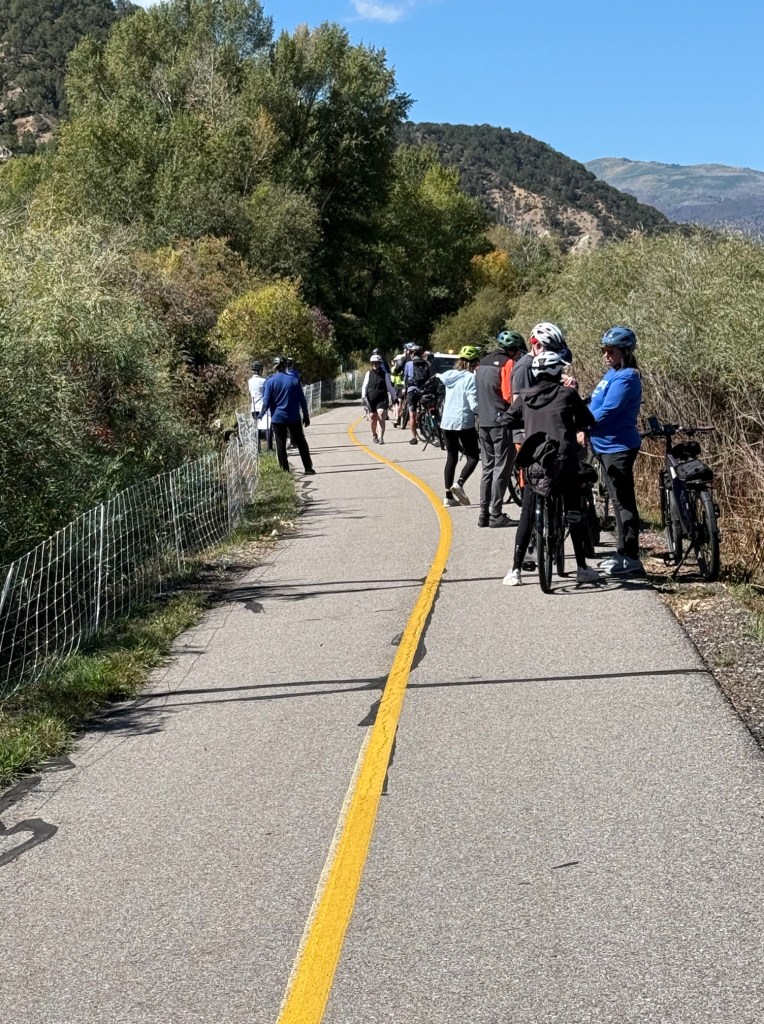
This is where the project transitions from a purely ecological intervention to a socio-ecological one. The goats act as a bridge, connecting residents and visitors to the complex ecology of their valley in an accessible way, thereby fostering a sense of shared ownership and environmental stewardship.
Measuring the Immeasurable: Metrics for Community Engagement
So, if community engagement is a primary indicator of success, how do we measure it? We propose a multi-faceted framework that moves beyond anecdotal evidence to capture tangible data that Goats On The Go has already begun implementing.
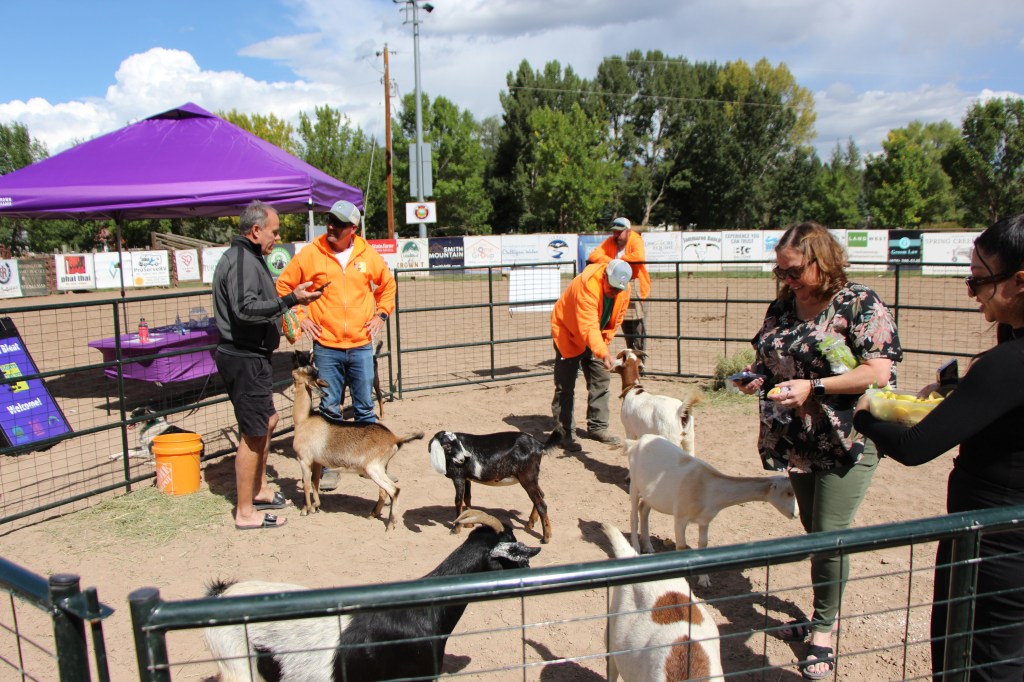
Meet and Bleat Attendance & Sentiment Analysis: The number of attendees at dedicated talks, “goat-viewing” tours, and volunteer weed-identification workshops provides a clear metric of active interest. Beyond sheer numbers, analyzing the questions asked and sentiments expressed (e.g., on social media posts about the events and questions asked by visitors) offers qualitative insight into deepening understanding and concern.
Volume & Tone of Media Mentions: A systematic tracking of local and regional media coverage (newspaper articles, TV segments, blog posts, social media) serves as a proxy for public awareness. More importantly, analyzing the tone of this coverage—is it framed as a novel curiosity or a model of innovative land management?—reveals how the narrative is maturing within the community discourse.
Growth in Institutional Buy-In: Financial investment is a powerful metric of commitment. Tracking year-over-year growth in dollars spent on goat grazing demonstrates that the value of the project is recognized beyond the environmental sector, embedding it into the community’s economic and social fabric.
Academic Foundations: Stewardship and PPSR
This approach is firmly grounded in academic theory. It draws directly from: theories of Environmental Stewardship and Public Participation in Scientific Research (PPSR). Stewardship is not merely a behavior but a relationship, an ethic of care that grows from personal connection and responsibility. By making the ecology of the Roaring Fork Valley visible and engaging, the goat project actively nurtures this ethic, moving the community from passive observers to active stewards of their landscape. This project is a form of “contributory” PPSR, where the public engages in data collection (e.g., reporting sightings of re-emergent invasives post-grazing) and “collaborative” PPSR, where community input helps shape the project’s future direction. This participation democratizes science, increases scientific literacy, and builds trust between managers and the public.
Conclusion: A Model for the Future
The Roaring Fork Transportation Authority’s goat project is more than weed control. It is a living laboratory for building a resilient socio-ecological system. By deliberately measuring community engagement through the proposed metrics, we can demonstrate that the project’s most enduring legacy may not just be a healthier riparian zone, but a more informed, connected, and empowered community equipped to tackle the next environmental challenge.
For policymakers and practitioners, the lesson is clear: invest in the social side of restoration. The most sophisticated ecological plan will falter without a community that understands, values, and fights for it. In Carbondale, the goats are building that community, one nibble and one conversation at a time.
 Goats On The Go Boulder
Leave a comment