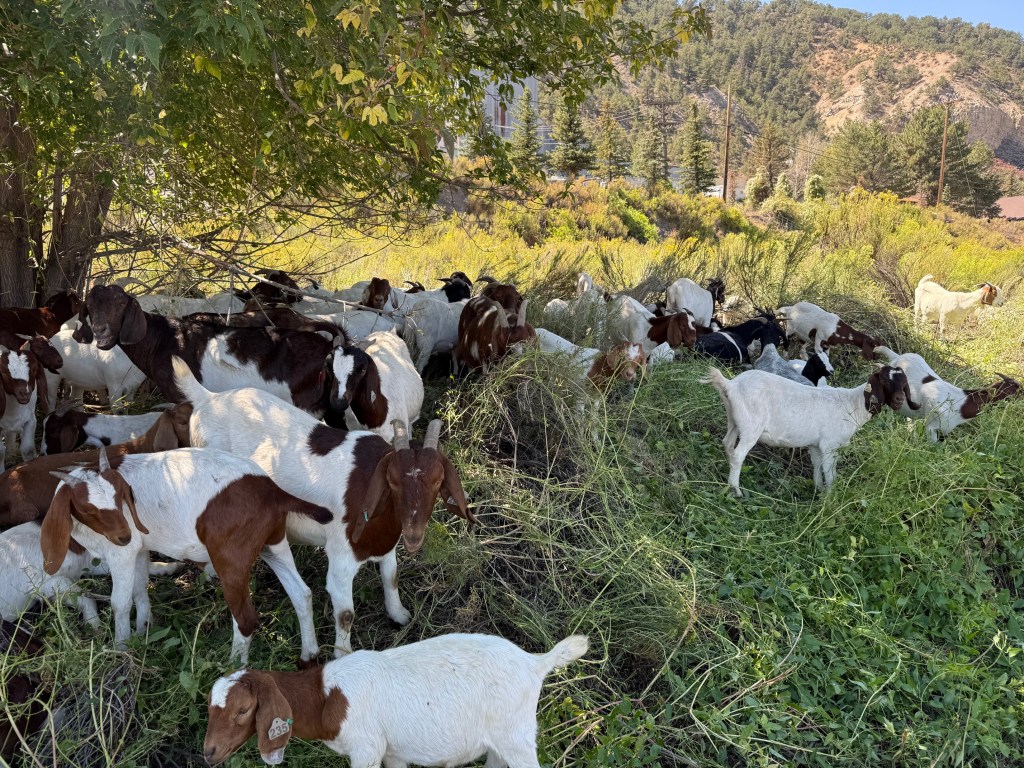
The management of public lands and riparian corridors demands a nuanced understanding of complex ecological interactions. Along the Rio Grande Trail near Carbondale, a practice has emerged that embodies this complexity: the use of targeted goat grazing for vegetation management. While primarily employed for wildfire mitigation and noxious weed control, this practice intersects critically with the habitat requirements of local and migratory avifauna, particularly during the ecologically significant autumn season. This analysis seeks to evaluate the potential advantages and drawbacks of fall goat grazing on bird populations in this specific region, moving beyond simplistic characterization to a more nuanced appraisal of the ecological trade-offs.
Practice and Context
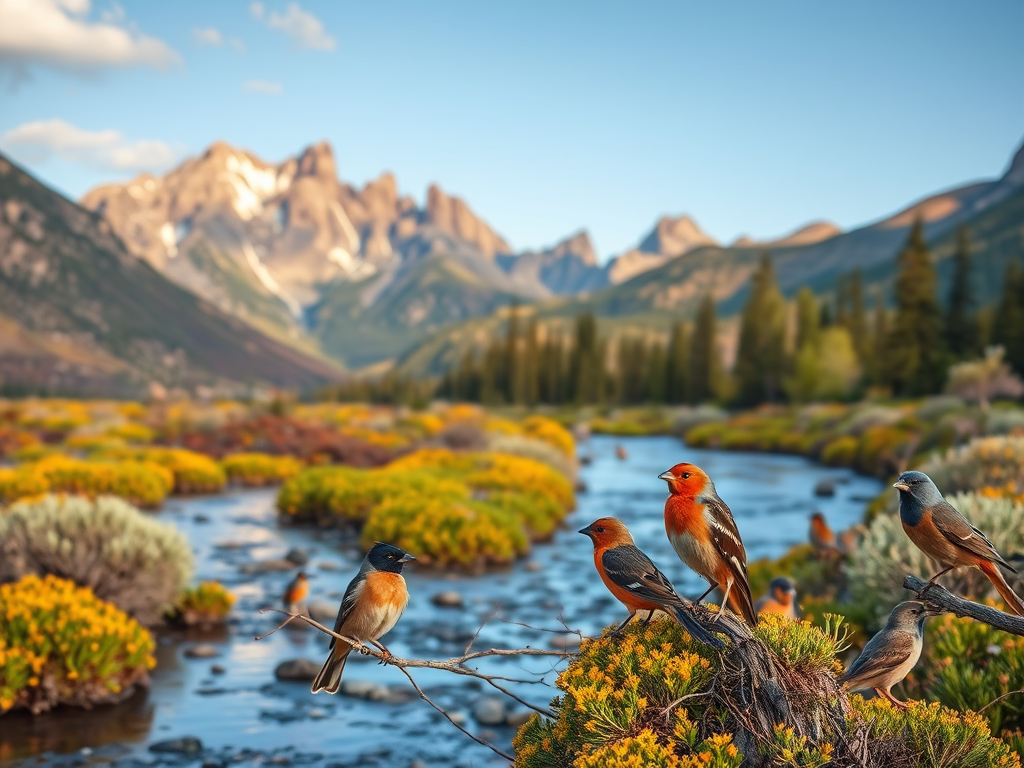
The Rio Grande Trail corridor, following the Roaring Fork River, is a vital riparian ecosystem. These zones are disproportionately important for biodiversity, serving as a migratory flyway and a resource-rich habitat for a multitude of bird species. In fall, this area supports resident species preparing for winter, as well as southbound migrants requiring crucial stopover sites to rest and refuel.
Concurrently, land managers face the challenge of mitigating fire risk from accumulated dry biomass and controlling invasive plant species like Canada thistle, cheatgrass, tansy, houndstongue, and various dock species. As discussed in previous posts, goat grazing offers an alternative to mechanical mowing or herbicide application, presenting itself as a more “natural” and soil-friendly management tool.
The Potential Benefits of Goat Grazing for Avian Populations
Creation of Heterogeneous Habitat Structure: Uniform, dense stands of vegetation, particularly monocultures of invasive weeds, offer poor habitat for many bird species (see Sedgwick 1987). Goats are non-selective browsers in a way that can be beneficial. Their grazing can break up these dense stands, creating a mosaic of patches with varying vegetation heights. This structural heterogeneity can benefit ground-foraging birds such as White-crowned Sparrows and Dark-eyed Juncos, which require open areas for seed access, while retaining taller clumps for nearby cover from predators.
Suppression of Competitive Invasive Flora: Many invasive plant species outcompete native flora that provide superior food sources for birds. Native shrubs and forbs often produce berries and seeds with higher nutritional value, which is paramount for migrants building fat reserves. By preferentially browsing on certain invasives, goats can indirectly promote the regeneration of native, bird-friendly plants like willows, cottonwoods, and a host of native seed-producing grasses, potentially enhancing the long-term forage quality of the habitat.
Reduction of Wildfire Risk: A catastrophic wildfire would represent the most severe and immediate detriment to the entire riparian ecosystem, destroying nesting sites, forage, and cover indiscriminately. By reducing fuel loads, goat grazing contributes to a larger strategy of fire prevention, thereby safeguarding the habitat integrity upon which all birds depend.
The Potential Detriments (Cons) for Avian Populations
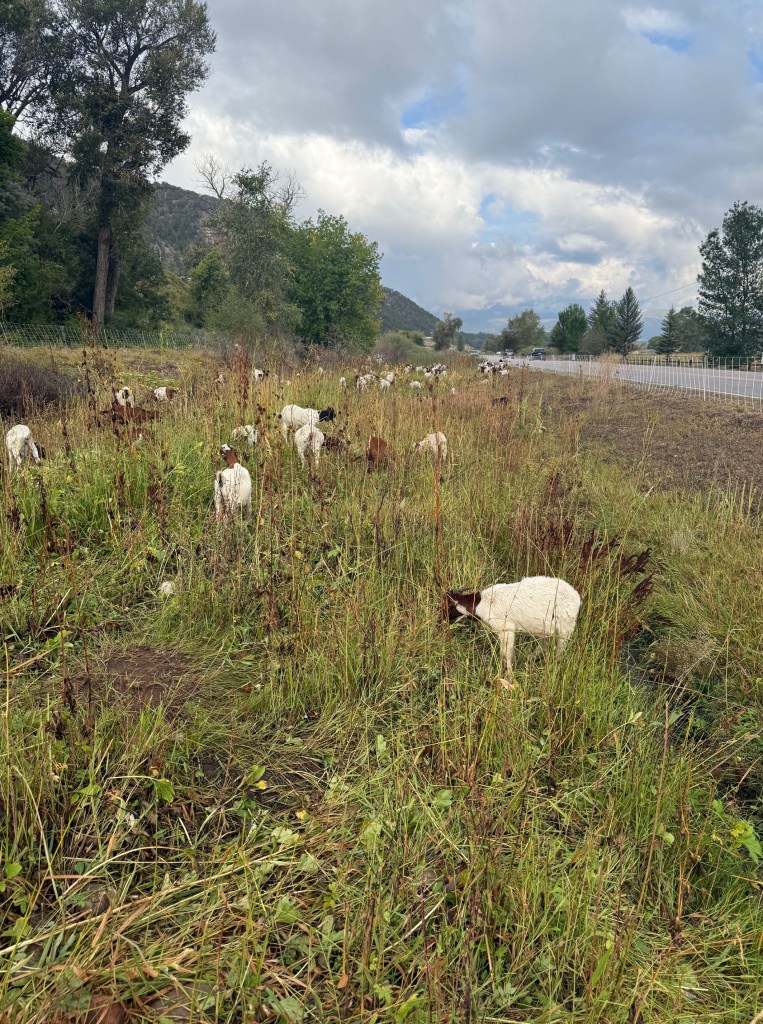
Disturbance and Displacement: The process of grazing involves the presence of goats, herders, dogs, and temporary fencing. This human-wildlife activity can cause significant acute disturbance. Birds, especially during the energetically costly migration period, may be flushed from preferred foraging or roosting sites. Chronic disturbance could lead to avoidance of otherwise optimal habitat, reducing the effective area available for critical pre-migratory fueling or winter survival (see Knopf et al. 1988). The high-traffic nature of the Rio Grande trail and RFTA’s decade long commitment to goat grazing, however, has, in many ways, acclimated native and visiting bird populations.
Loss of Crucial Food Resources: Fall is a period of high energy demand. Goats are efficient consumers and may directly compete with birds for autumn’s finite bounty of berries, seeds, and insects. The removal of seed heads from grasses and forbs could eliminate the primary food source for granivorous birds. Furthermore, goats may consume insect-rich vegetation, reducing the availability of this high-protein resource for insectivores like warblers and flycatchers preparing for migration or facing winter. The food security issue demands a careful and dynamic grazing strategy that removes the threat of overgrazing at all costs.
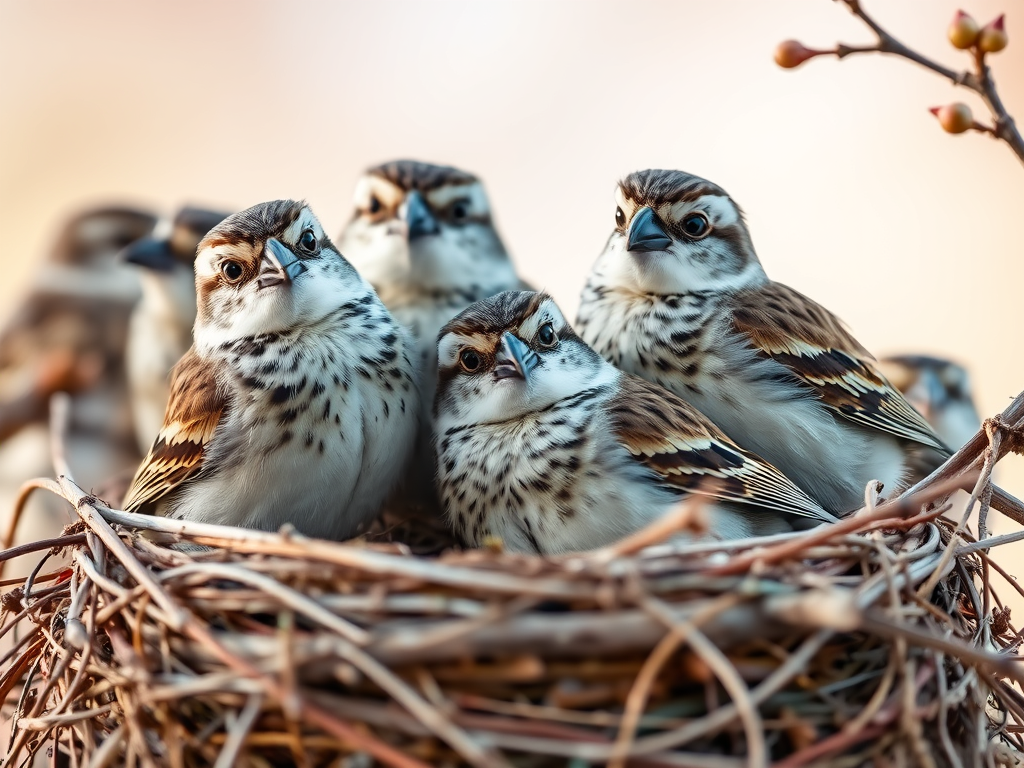
Structural Damage to Habitat: While creating heterogeneity can be positive, overly intensive grazing can be detrimental. Goats can cause physical damage to shrubs and small trees through browsing and trampling. These woody plants provide essential winter cover, protection from predators, and nesting sites for the following spring. The loss of this structure can render the habitat unsuitable for species like the Song Sparrow or Yellow Warbler, which rely on dense, low vegetation. Hence timing and grazing voracity are key.
Towards a Managed Balance
The impact of fall goat grazing on birds along the Rio Grande Trail is not inherently good or bad; it is contingent upon implementation. The critical variables are timing, intensity, duration, and frequency of grazing.
A management plan informed by avian ecology would prioritize brief, rotational grazing schedules that avoid peak migration weeks. Post-grazing monitoring is essential to assess not just the reduction of weeds, but the response of the native plant community and the bird populations themselves.
Ultimately, goat grazing is a tool. Its efficacy and ecological benefit are obvious and depend on the skill and knowledge with which it is wielded. In the delicate riparian zone of the Roaring Fork Valley, a commitment to adaptive, science-based management is the only way to balance the legitimate goals of wildfire mitigation with the preservation of the area’s rich and vital avian biodiversity.
References
- Knopf, F. L., et al. (1988). Ecology and Conservation of Riparian Birds in North America.
- Sedgwick, J. A. (1987). Avian Community Organization and Habitat Structure in a Rocky Mountain Riparian Forest.
 Goats On The Go Boulder
Leave a comment